

The Psychology of Color in Casinos
Color plays a pivotal role in influencing human emotions and behaviors, which is why casinos strategically select color schemes that can entice visitors and enhance their experience. Research shows that warm colors such as red and orange can stimulate excitement and energy, making them popular choices for areas where action and decision-making occur, like gaming floors. This psychological trigger encourages players to engage more in games, including using various betting sites that can enhance their overall enjoyment and even spend more time in the casino environment, as these colors can create a sense of urgency and thrill.
Conversely, cooler colors, such as blues and greens, are frequently utilized in rest areas and dining areas to evoke feelings of relaxation and calmness. These areas provide a necessary balance to the high-energy gaming zones, allowing players to unwind and recharge. By carefully balancing warm and cool colors, casinos craft a comprehensive atmosphere that nurtures both excitement and comfort, promoting longer visits and encouraging spending. This strategic use of color not only enhances the aesthetic appeal but also influences the overall mood and behavior of the patrons.
Moreover, colors also have cultural and contextual meanings that vary from one region to another. For instance, while red symbolizes good luck and prosperity in many Asian cultures, it can represent danger or caution in Western contexts. Casinos must therefore consider their target demographics, tailoring their design choices to resonate with the specific cultural background of their clientele, enhancing the appeal of their establishment. This thoughtful approach to color selection can significantly impact a casino’s success by fostering a welcoming environment that aligns with the visitors’ expectations and cultural perceptions.
The Role of Design Layout in Casino Experience
The layout of a casino is just as vital as its color scheme, as it guides the flow of foot traffic and influences how patrons interact with different areas. Casinos are intentionally designed to create an immersive experience that keeps guests engaged. For instance, the placement of slot machines and table games is carefully considered to ensure that players are always within view of exciting activities, which can draw them in and sustain their interest. Such strategic positioning is crucial for maximizing player engagement and increasing revenue.
Another aspect of design layout is the use of open spaces and high ceilings, which create a sense of grandeur and freedom. This architectural strategy can instill feelings of abundance and possibility, making patrons feel more willing to explore and partake in various games. Additionally, casinos often implement winding pathways that encourage guests to wander throughout the facility, exposing them to more gaming options and amenities, thus increasing chances of spending. The design intricacies serve to enhance the overall experience, making it not just about gaming but a multifaceted entertainment excursion.

Furthermore, the strategic positioning of high-stakes tables next to lounge areas can create a sense of allure and exclusivity. Players may be drawn to the excitement of observing high-stakes gameplay, prompting them to increase their stakes or try their luck. Such design elements are not merely aesthetic but are functional in maximizing guest engagement and, subsequently, revenue generation. Effectively designed layouts ensure that every corner of the casino contributes to the overall experience and enhances the likelihood of patron retention.
Influencing Expectations Through Theming
Themes are a powerful design element that helps casinos create distinct identities and atmospheres that appeal to various demographics. A themed casino can transport guests to different worlds, whether it’s a glamorous representation of nightlife or a serene Mediterranean oasis. This thematic branding not only enhances the visual experience but also caters to the emotional and imaginative desires of guests, allowing them to escape their everyday lives and immerse themselves in a different reality.
By setting specific themes, casinos are able to tailor their decor, gaming options, and entertainment offerings, ensuring a comprehensive experience. For instance, an Egyptian-themed casino may feature hieroglyphics and pyramids in its decor while offering games and entertainment inspired by ancient culture. Such immersive experiences can redefine guest expectations and create lasting memories, making patrons more likely to return. The thematic elements act as a cohesive narrative that enriches the overall experience, providing guests with stories to tell and reminisce about.
Theming also allows casinos to market themselves more effectively. By aligning themselves with popular culture references or unique concepts, casinos can attract niche audiences and create buzz in the marketplace. This savvy approach to branding not only draws in visitors but also builds an emotional connection with their experiences, leading to increased loyalty and referrals. A well-conceived theme can set a casino apart from its competitors, creating a unique selling proposition that resonates with a diverse clientele.
The Impact of Lighting on Casino Design
Lighting is another critical aspect that influences the overall ambiance and experience within a casino. The intentional use of lighting can highlight specific areas, draw attention to games, or create a warm, inviting atmosphere. Bright, vivid lights often accentuate gaming areas, making them the focal points of entertainment. This strategic lighting not only captivates guests but can also enhance the thrill of gaming by creating a vibrant and exciting environment that keeps energy levels high.
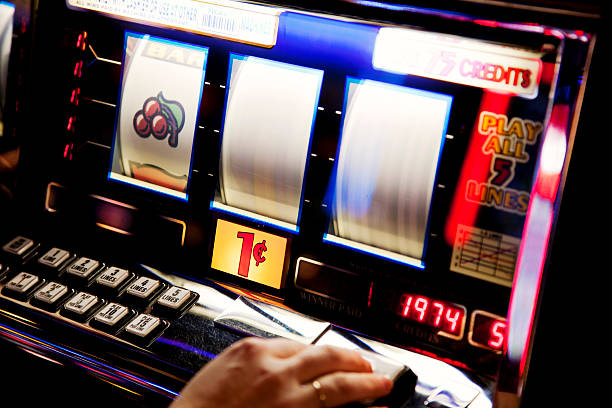
Additionally, the use of softer, ambient lighting in lounges and dining spaces can promote relaxation and social interaction. Such lighting creates a more inviting atmosphere where guests can unwind and socialize, encouraging them to prolong their stay. By varying the intensity and color of lighting in different areas, casinos can effectively manipulate the mood and tone of the environment, driving deeper engagement with all their offerings. The contrasting lighting schemes work to balance the energetic ambiance of gaming areas with the soothing atmosphere of relaxation zones.
The interplay of natural and artificial lighting also comes into play in casino design. Utilizing windows strategically to let in natural light can enhance the atmosphere during the day while transitioning to dynamic artificial lighting at night creates a seamless experience. This fluid change encourages a sense of time dilation, making guests feel as though they can lose track of time while enjoying their activities. Such design considerations are crucial to creating an all-encompassing gambling environment, as they enhance the sensory experience and keep guests engaged for longer periods.
Understanding the Importance of Casino Branding
Branding is essential for casinos as it influences not only their visual aesthetic but also their overall reputation in the industry. A strong brand identity is cultivated through cohesive design choices that communicate the casino’s values and target audience clearly. This includes everything from logo design to color schemes and even the layout of the floor plan. Each element contributes to how the casino is perceived by potential customers, making branding a key component of marketing strategies.
Casinos also utilize branding to differentiate themselves in a competitive market. By developing a unique style that resonates with their audience, they can create an experience that feels exclusive and tailored. For instance, a casino that emphasizes luxury and sophistication may feature high-end decor, premium gaming options, and upscale dining experiences that attract high-rolling clientele. This differentiation helps in establishing a loyal customer base, as guests are more likely to return to an environment that aligns with their preferences.
Furthermore, effective branding extends beyond immediate visuals. It encompasses customer service, marketing approaches, and community engagement. A casino that engages positively with its local community and builds a reputation for high ethical standards will be more likely to attract a loyal customer base. Ultimately, branding shapes perceptions, guiding guests’ emotional connections to the casino, and influencing their decision to return. A well-executed branding strategy ensures that the casino not only stands out but also becomes a cherished destination in the minds of its patrons.